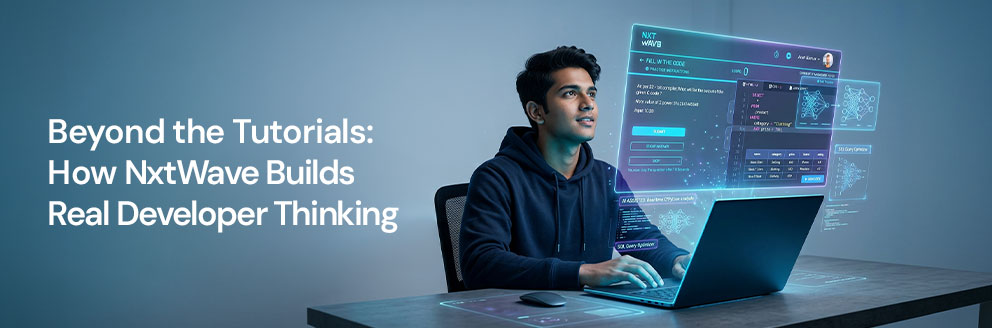
You sail through tutorials, follow every example, and pass all the practice quizzes. Then your manager asks you to debug a broken component in a real codebase, and you freeze.
This is not a rare experience. It is the most common outcome of traditional coding education.
Most students understand programming concepts while learning them. They can recall syntax, follow examples, and solve guided problems. But when faced with real-world tasks like debugging code, explaining the logic behind a solution, or building a complete feature from scratch many struggle.
This gap exists because learning to code is not the same as learning how to think like a developer.
Why traditional programs fall short
Most coding programs focus on teaching syntax and basic code writing. Students watch lectures, read explanations, and practice a limited set of exercises. While this builds familiarity with programming, it does not prepare learners for the deeper thinking required in real software development.
In reality, developers constantly move between different types of thinking. They recall concepts, understand logic, apply knowledge to solve problems, analyze errors, evaluate different approaches, and build complete systems.
This progression is described by Bloom’s Taxonomy, a learning framework that defines six stages of mastery:
Remember → Understand → Apply → Analyze → Evaluate → Create
Most learning programs operate almost entirely in the first two stages. Real expertise develops only when learners practice across all six.
At NxtWave, every step of learning is mapped to this progression. Rather than relying on a single type of coding exercise, we built a practice ecosystem with 25+ different question formats, each targeting a distinct stage of cognitive development.
Here is how each stage translates into our learning system.
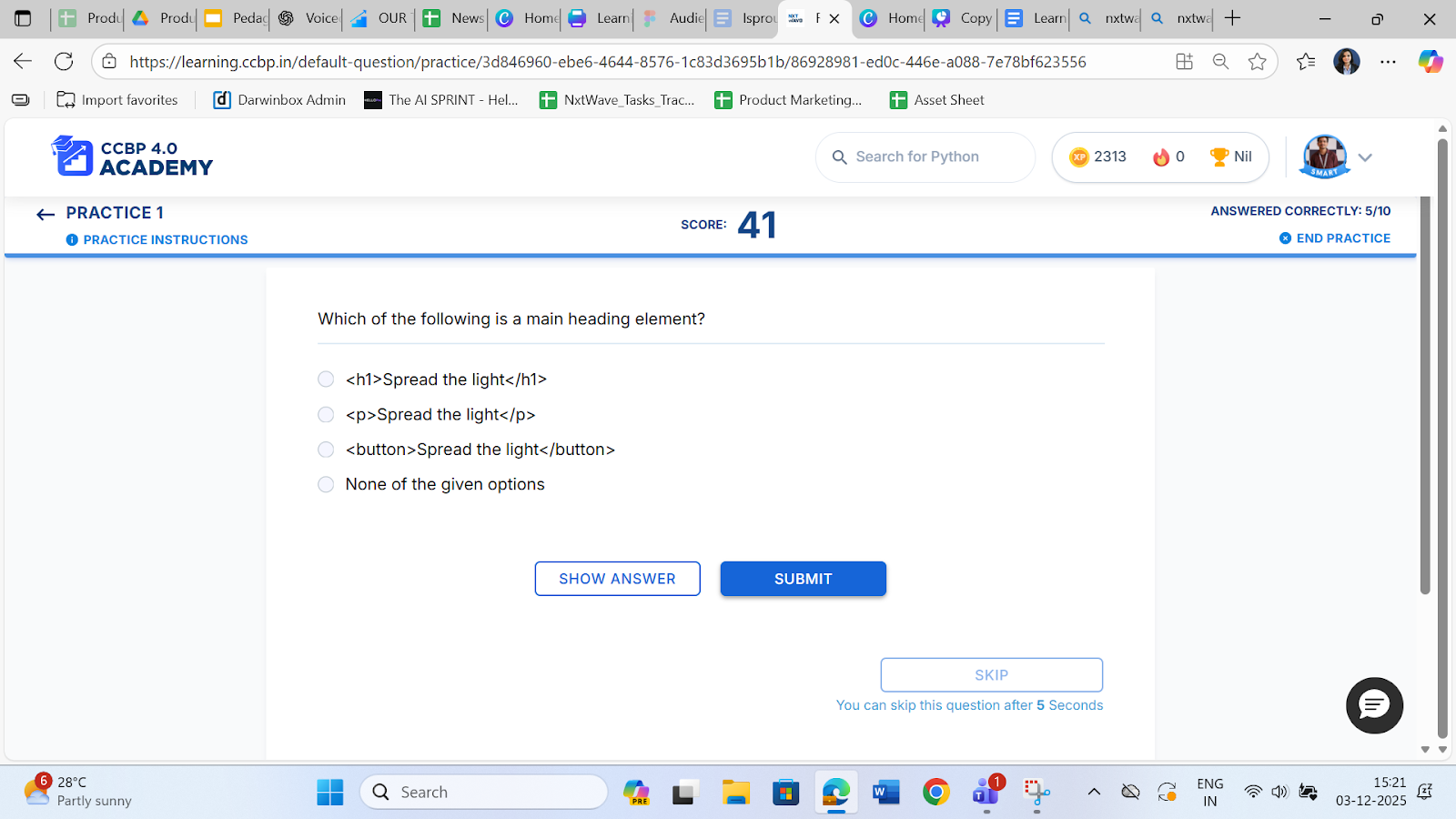
Students engage with structured video content and reading materials, then immediately test recall through concept-based questions like MCQC, MMCQs, Fill-in-the-blanks. The goal is not passive familiarity, it is active encoding. Learners are prompted to retrieve what they just learned before moving on, which research consistently shows improves long-term retention.
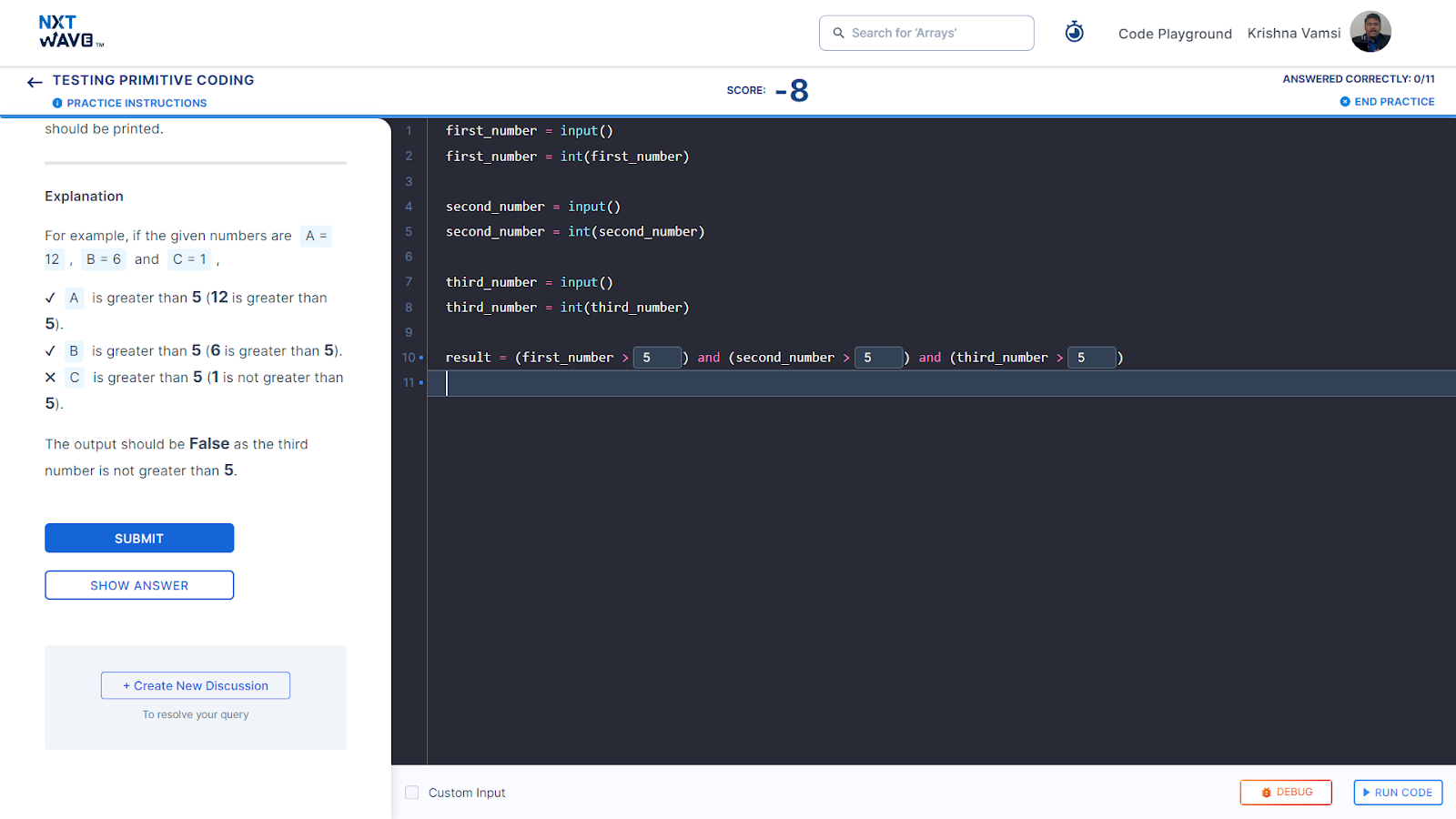
Understanding is tested differently from recall. Students work through coding-based MCQs, MMCQs, fill-in-the-blanks and text input based questions that require them to understand why something works, not just what it is. These exercises surface gaps that pure recall questions miss, a student can recognise the right answer without truly understanding it.
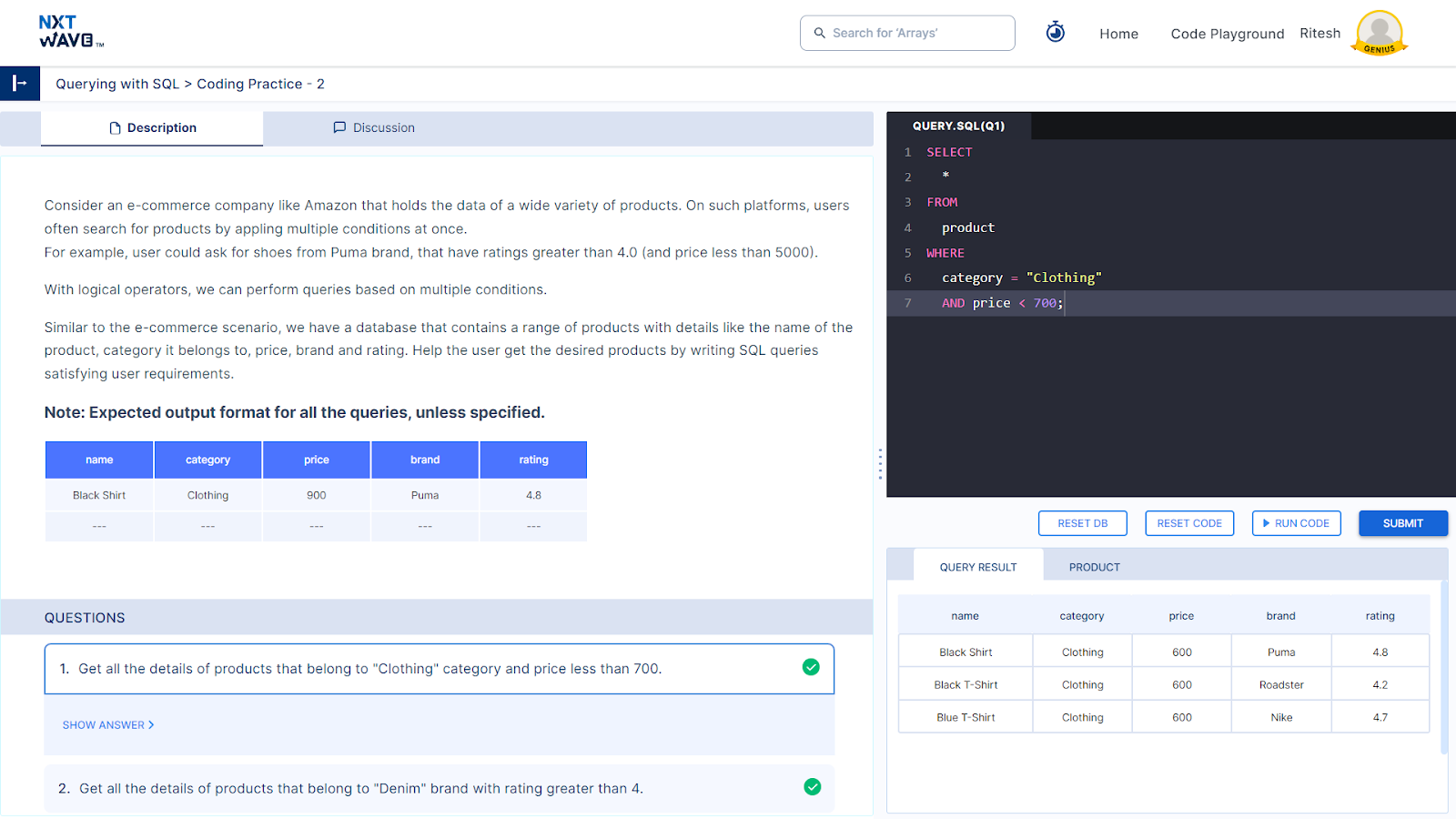
Output prediction questions are introduced at this stage: given a block of code, what does it produce? This deceptively simple exercise encourages students to mentally execute code step by step, a foundational skill most programs never explicitly train.
Also, students write and run real code for the first time. Using an in-browser development environment that supports Python, Java, C++, JavaScript, SQL, and modern web technologies, learners apply concepts to fresh problems they have not seen before.
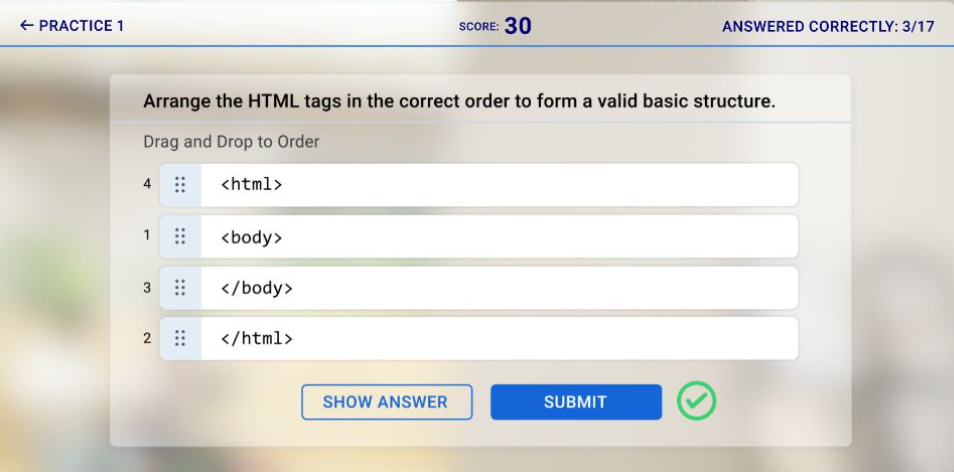
Analysis exercises ask students to decompose code and explain its behaviour. This includes:
The ability to read, interpret, and reason about code is one of the most critical developer skills and one of the most consistently overlooked in traditional coding education.
Bloom's Taxonomy defines evaluation as the ability to make judgments comparing approaches, weighing options, and forming an informed opinion. At this stage, NxtWave's platform lets students view peer and reference solutions after completing an exercise. Seeing how others solved the same problem, sometimes in fewer lines, sometimes more readably, trains learners to assess quality rather than just correctness. Over time, this builds the developer instinct to recognise what good code looks like and why.
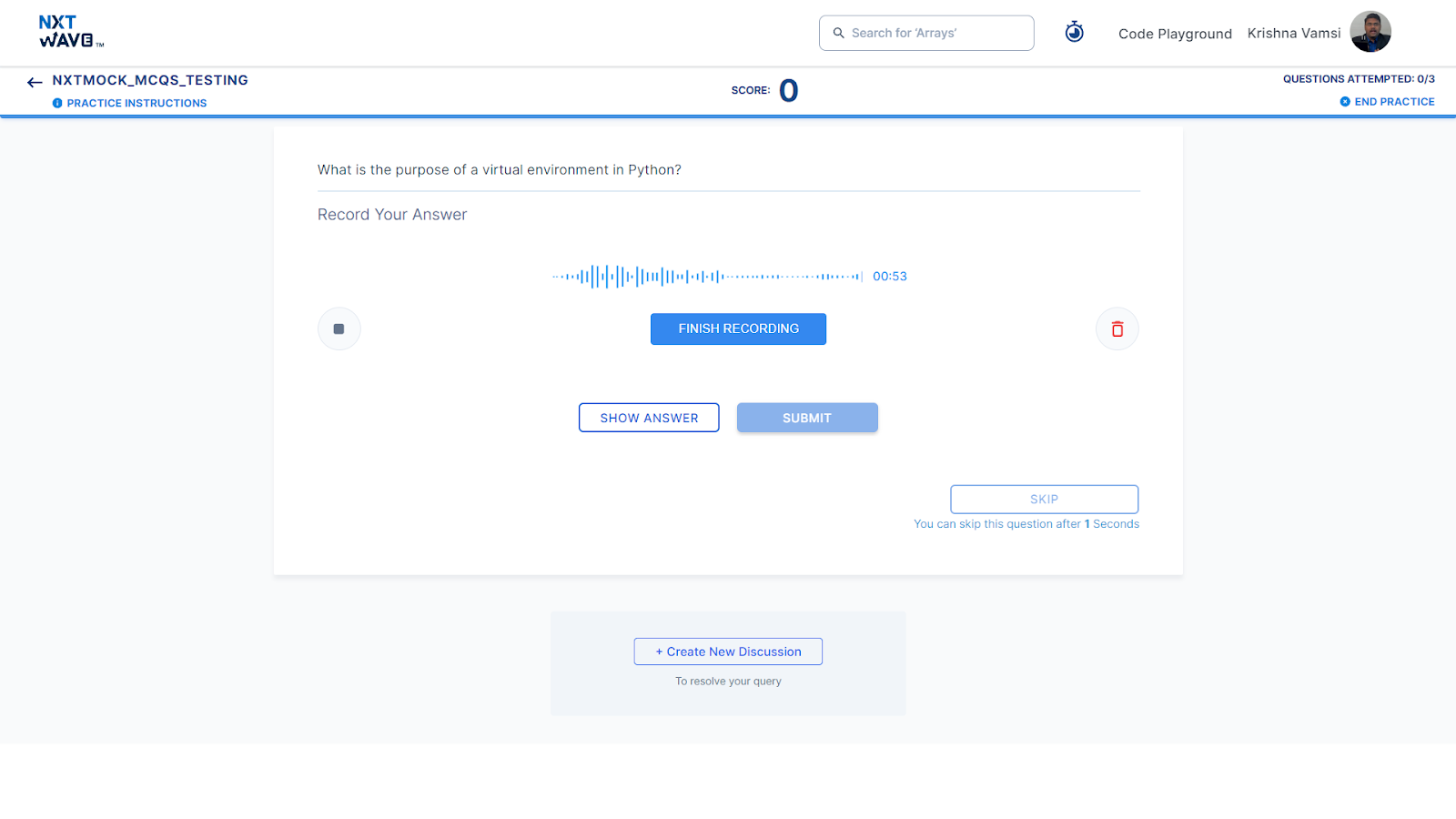
Also, our AI-powered evaluation tools assess written and spoken responses, giving students real-time feedback on how clearly they express technical ideas. Communication is not treated as a soft skill afterthought it is built into the core curriculum.
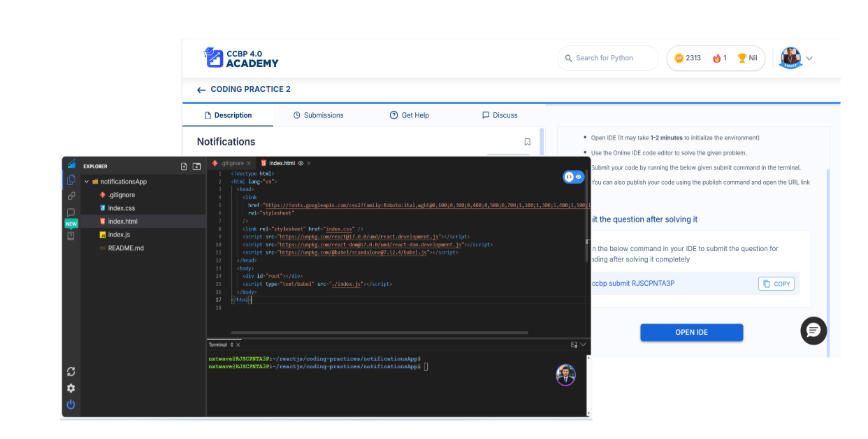
The final stage moves beyond guided exercises entirely. Students build real-world components web applications, database models, and automation workflows, using integrated tools including IDE playgrounds and workflow builders.
At this stage, learners bring everything together: conceptual clarity, analytical thinking, debugging ability, and coding skill. The measure of success is not a passing score, it is a working product.
Learning to code effectively requires more than watching tutorials or completing isolated exercises. It requires practicing across every layer of thinking - understanding concepts, analyzing code, debugging issues, evaluating solutions, and building real systems.
By aligning every learning activity with Bloom’s Taxonomy and designing 25+ practice formats that target each stage, NxtWave ensures students do not just become familiar with programming they develop the kind of thinking that makes a developer effective on day one of a real job.
Because the goal isn’t just to teach coding. It’s to help learners think, solve problems, and build like real developers.
Join NxtWave and start building the thinking skills that separate developers who debug from developers who design. Because knowing syntax is step one, mastering the other five is what gets you hired.