7 min read

Expert-curated tips, guides, and articles — the one-stop solution for all your tech-related queries.

A computer system consists of hardware (CPU, memory, I/O devices) and software (OS, applications) to process data, store information, and manage tasks.

Data representation in computer organization refers to how data is stored, processed, and transmitted in binary form (0s and 1s) systems like bytes and words.

Practice Computer Organization & Architecture questions to understand hardware components and their interaction in task execution for better hardware knowledge.

Instruction formats in computer organization define the structure of machine language instructions, specifying opcode, operands, and addressing modes for processing.
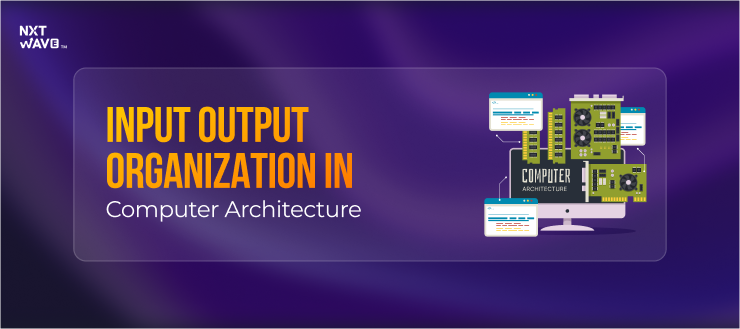
Input-output organization in computer architecture refers to the system's structure for managing data transfer between the CPU, memory, and external devices.

Implement a stack with 1 queue by enqueueing elements, then dequeue all but the last to pop. With 2 queues, push to Q1, pop by transferring to Q2, then dequeue.

General register organization uses multiple registers in the CPU for faster processing, reducing memory access and improving efficiency.

A data type defines the kind of data (e.g., int, float), while a data structure organizes and stores multiple data types (e.g., arrays, linked lists).