



Startups today are navigating a maze of challenges: limited runway, high investor expectations, and the relentless push to ship a minimum viable product (MVP) in record time. Amidst all this, they face one of the fiercest hiring challenges in 2025: attracting and retaining top tech talent in a hyper-competitive market.
Unlike established giants that can lure developers with hefty compensation packages and perks, startups often operate with frugal budgets. So, the question arises: how to go about building a strong tech team on a limited budget without compromising on quality or productivity?
Read along to find out.
Startup Hiring: What’s at Stake When Budgets Are Tight?
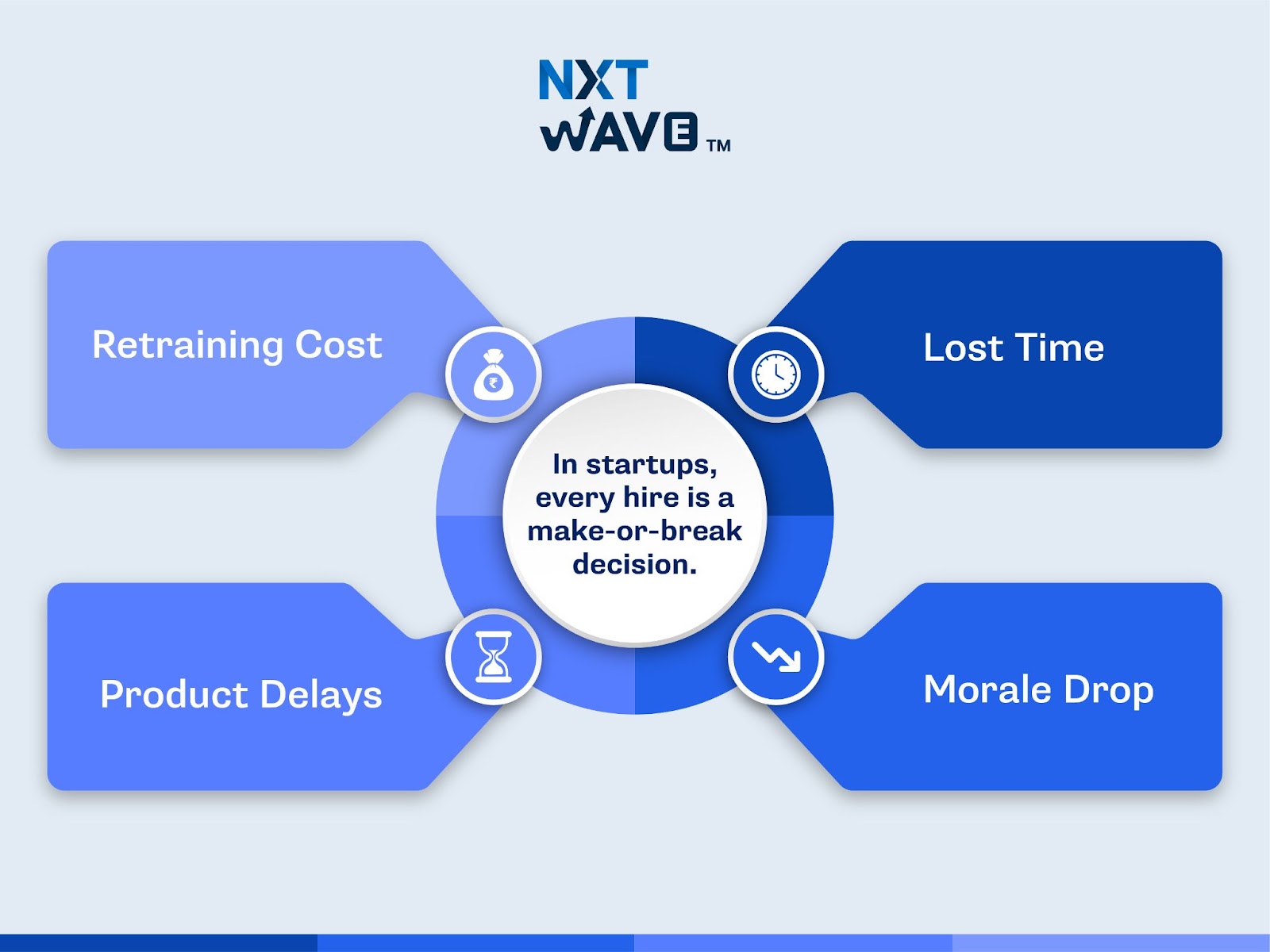
In a startup, every hire is a high-stakes decision. You don’t get multiple shots. One wrong hire can stall product development, disrupt team dynamics, and drain precious investor capital. That’s why building a tech team isn’t just about filling roles; it’s about strategic tech talent sourcing.
When budgets are tight, the margin for error becomes even smaller. A misaligned hire doesn’t just cost money; it costs momentum. The wrong fit can lead to poor execution, reduced morale, and a cycle of wasted resources on retraining or rehiring. With limited runway, startups can’t afford to take chances on talent that isn’t startup-ready.
This is where the recruitment challenges in India become especially glaring. Traditional hiring pipelines often don’t cater to the speed, agility, and versatility required by early-stage companies. Startups don’t just need skilled developers; they need people who can thrive in ambiguity, iterate fast, and wear multiple hats.
To safeguard limited resources and maximize return on every hire, founders must adopt a mindset of strategic tech hiring for startups; one that prioritizes impact, adaptability, and long-term alignment over short-term fixes.
Why Hiring on a Budget is More Challenging Than It Looks
Let’s be honest; technical recruitment budget constraints are real, and the challenges pile up fast.
You're not just competing with other startups; you're up against tech giants ready to swoop in with six-figure offers and unbeatable perks. Affordable tech hiring becomes even more difficult when the talent pool is flooded with options, and your offer is just one of many.
The rise of remote-first work has expanded opportunities for candidates globally, making it harder to hire developers for startups without strong differentiators. To attract great talent, budget-conscious companies must go beyond competitive salaries. Offering flexible schedules, transparent communication, and clear growth paths can give you an edge, but without a compelling employer brand, even the most thoughtful job descriptions often go ignored.
Then comes the operational strain. Screening candidates with internal technical assessments takes time and effort your current team might not have to spare. That bandwidth crunch can slow hiring down when you need to move fast.
And the cost of a wrong hire? Time, money, and crucial momentum are lost.
Building a Lean but High-Impact Tech Team
When the budget is tight, scaling smartly, not rapidly, is the only sustainable path forward. You don’t need a large team; you need the right team.
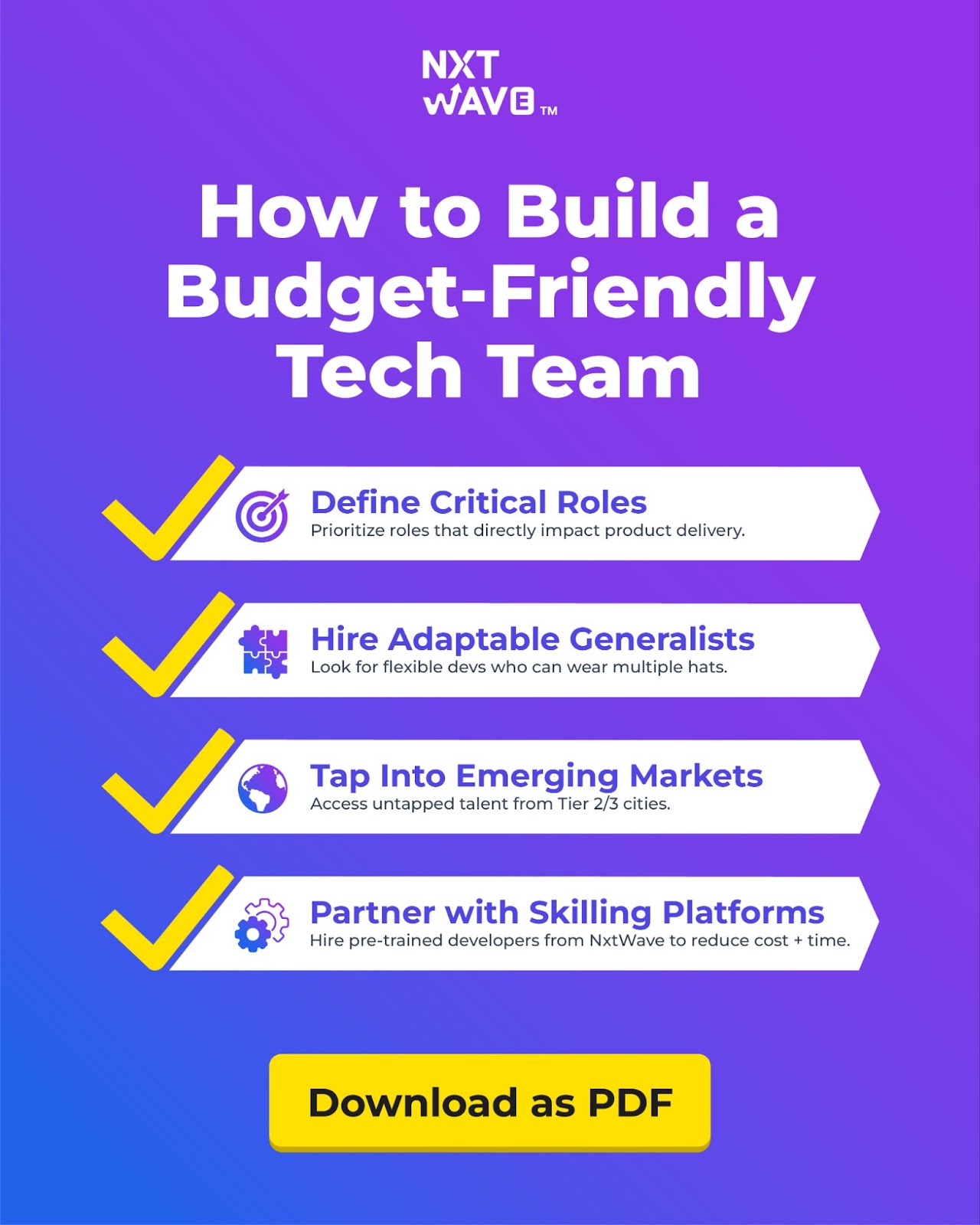
Start by identifying critical roles that directly influence your product’s delivery speed and user experience. This strategic clarity helps you build a tech team on a budget that delivers impact without unnecessary overhead. Aligning hiring with immediate business needs ensures that every role has a purpose tied to outcomes.
In the early stages, hiring generalists; developers who are comfortable wearing multiple hats, gives your team the flexibility to pivot quickly. These individuals not only fill current gaps but can also evolve into future team leads, saving you from costly leadership replacements later.
The ideal tech team size varies based on your startup’s maturity and goals. Rather than aiming for a predefined number, assess how many hands are needed to execute your roadmap efficiently. This helps maintain agility and avoids the bloat that often slows down progress.
Technical versatility is a big win at this stage. For instance, hiring full-stack developers enables your team to ship end-to-end features with minimal dependencies. Many startups also see early success by bringing in React or Python developers first, thanks to their adaptability and strong community support.
Finally, beyond coding skills, prioritize mindset. The best hires for an early-stage startup tech team are problem-solvers who can navigate ambiguity, experiment with confidence, and execute with discipline. These traits fuel both innovation and consistency, two pillars of sustainable scaling.
The Underrated Advantage: Pre-Trained Talent from Emerging Markets
If you're still hiring only from metros, you're missing out. India’s Tier 2 and Tier 3 cities are home to a vast pool of passionate, overlooked candidates who bring both adaptability and long-term commitment to the table, traits essential when you're building lean, resilient teams.
Thanks to the rise of skilling platforms, the gap between raw talent and industry readiness is narrowing rapidly. Today, it’s easier than ever to hire developers for a startup who are already trained in modern, industry-relevant tech stacks. These developers come prepared to contribute from Day 1, reducing onboarding friction and accelerating your product roadmap.
The boom in fresher tech hiring from smaller cities has brought in a wave of developers who offer fresh perspectives, strong problem-solving instincts, and an eagerness to prove themselves. These qualities are especially valuable when you're aiming to build a strong technical team that can thrive in dynamic, high-growth environments.
Moreover, hiring from emerging tech hubs isn’t just a cost-cutting strategy; it’s a retention strategy. Developers from these regions often value opportunities more deeply, resulting in stronger alignment with company goals and greater team stability over time. For early-stage startups, this consistency is crucial to maintaining momentum in product development.
Why NxtWave is the Strategic Solution for Cost-Effective Tech Hiring
At NxtWave, we're bridging the gap between the emerging talent and the market.
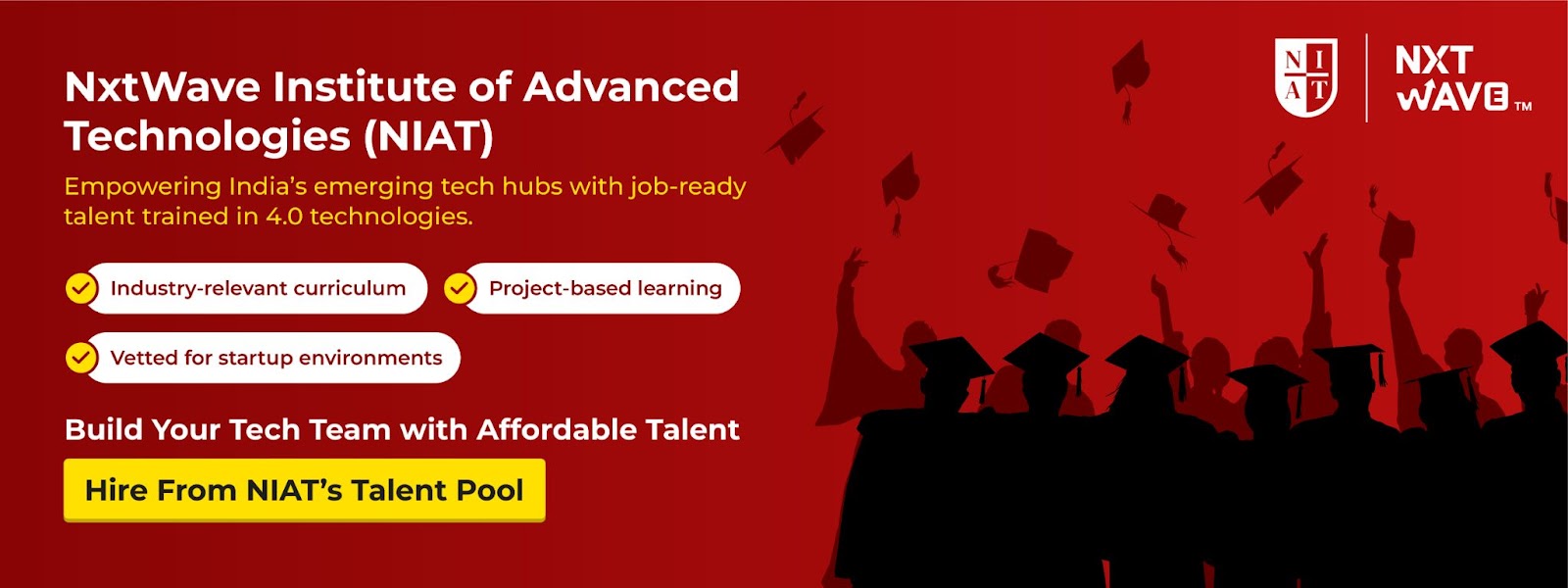
Our learners are trained in industry-relevant 4.0 technologies through hands-on, project-based learning. That means they come job-ready; no long onboarding cycles, no trial-and-error training. Companies that partner with us save significantly on hiring time, training costs, and, most importantly, avoid expensive mis-hires.
Whether you're looking to hire Python developers, React experts, or mobile specialists, our talent pool is vetted and ready to perform from Day 1.
Here’s how some of our partners have experienced the difference:
- Unifo: Unifo struggled with junk profiles until they partnered with us. With fast feedback, mock interviews, and end-to-end support, they hired their first developer within a week, reduced their overall IT hiring cycle time, and wrapped up the entire process in just 20 days.
- Consat Orahi: For their Sweden-based International Interns Exchange Program, Consat Orahi needed top-quality talent. Our multi-layered screening process helped them achieve seamless tech recruitment, fast and hassle-free.
- Godspeed: Godspeed needed adaptable freshers. With our support and a quick turnaround of just 20 days, they successfully achieved affordable tech hiring with zero dropouts and came back to hire four more.
Just like them, you too can bypass the time-consuming hassle of sifting through hundreds of resumes by tapping into our talent pool. We consistently deliver high-performing, affordable tech talent, earning us a reputation as one of the best places to hire developers.
Managing and Retaining Your Tech Team Without Overhead
Hiring is just the beginning. To get the most out of your team, focus on retention and performance right from Day 1.
Start by assigning clear ownership. Developers thrive when they understand how their contributions directly impact the product. Giving them autonomy and a sense of purpose builds intrinsic motivation, which is especially crucial in lean teams.
To keep your team engaged, invest in learning opportunities. Upskilling doesn’t have to be expensive; internal workshops, mentorship sessions, and curated online resources can go a long way in helping your team grow without draining your budget. When developers feel they’re progressing in their careers, they’re far less likely to leave.
Use lightweight tools to streamline collaboration. Platforms like Slack, Notion, and GitHub help your team stay aligned asynchronously, especially when you're trying to manage a technical team without a full-fledged HR or tech leadership function. Well-documented workflows and communication protocols can fill the gap and create a sense of structure.
Retention is more affordable than rehiring, especially in startups, where the cost of a delayed release or onboarding cycle can be steep. Reinforcing a culture of engineering ownership through regular feedback loops, clear KPIs, and peer reviews ensures your team scales not just in size but also in quality.
You Don’t Need a Big Budget; Just a Smart One
In today’s hiring climate, startups can’t afford to compete on cash alone. But here's the good news: you don’t have to. With the right approach, building a strong tech team on a limited budget is not just possible; it’s powerful.
With access to pre-trained, highly motivated developers, startups can now compete with much larger companies without burning through their funding.
With NxtWave, you get access to such a curated pool of pre-trained tech talent that’s startup-ready.

FAQ
How to build a strong technical team on a limited budget?
Tap into emerging markets, hire generalists first, and work with skilling platforms like NxtWave to onboard pre-trained developers.
How do I build a team for a tech startup?
Start small with mission-aligned developers. Focus on core roles and prioritize adaptability and collaboration.
What is the ideal team size for a tech startup in the early stages?
There’s no magic number, but a lean team of 3–6 core developers who can iterate fast and wear multiple hats is a good starting point.
How do I manage a technical team without a dedicated HR or CTO?
Use collaborative tools, define clear goals, and build a strong engineering culture. Outsource technical mentorship or use partner platforms if needed.